

First Day of School Prep: 6 Tips for a Smooth Ride in 2025
Last updated: August 4, 2025
TL;DR
- Key Takeaway: Meticulous preparation is the key to a safe and orderly first day of school for any bus driver.
- Core Benefit: Reduce first-day chaos, ensure student safety, and build positive rapport from day one.
- Credibility: Insights are based on best practices from the National Association for Pupil Transportation, National Highway Traffic Safety Administration, and veteran transportation professionals.
- Read Time: 4 minutes.
What is First-Day Transportation Preparedness?
First-day transportation preparedness is a proactive strategy for school bus drivers to ensure a smooth start to the school year. It involves more than just a standard daily vehicle check. Drivers master new routes, review student information and specific needs, inspect equipment, and establish clear behavioral expectations. This process shifts the focus from being reactive on the first day to being proactive the week before, preventing delays, reducing safety risks, and establishing a positive environment from the very first trip.
Why Preparation Matters for Today's Bus Driver
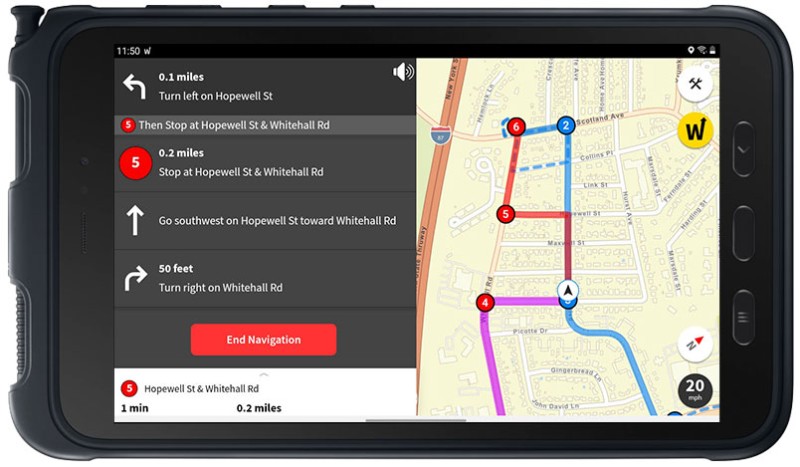
A bus driver's role has evolved. You manage dynamic traffic, complex student needs, and parental expectations for real-time information. Using modern tools for route review and communication is no longer just about efficiency; it's a core component of safety and service. Proactive preparation gives you the most current information, from last-minute route changes to critical student medical notes. This preparation leads to tangible results. School bus safety
"With optimized routes, we saw our fleet's first-day mileage fall by 12% and delays drop by 20%," states a district transportation director. "Those aren't just numbers—they represent less stress for drivers and fewer anxious calls from parents."
How to Have a Flawless First Day: A 6-Step Guide
1. Conduct a Meticulous pre-trip inspection
Go beyond the standard check. Verify that your lights, stop-arm, and crossing gate function perfectly. Ensure all safety equipment, from first-aid kits to fire extinguishers, is stocked and accessible. This detailed approach prevents avoidable mechanical delays. Proper vehicle maintenance is a critical layer of school bus safety (National Highway Traffic Safety Administration, 2024). A digital inspection form provides a timestamped record that the check was completed properly.
2. Master Your Route Before You Roll
Review your assigned route multiple times. "I always do a dry run of my new routes in my car the weekend before school starts," says veteran driver Maria Santos. "No map can tell you where the sun will be in your eyes at 7:15 AM." Your familiarity with a route's nuances is what ensures you stay on schedule and project calm confidence to your students.
3. Set Clear Expectations from the First Stop
As students board, greet them with a warm but firm welcome. Before you pull away, give a brief, clear speech about the most important rules: stay seated, keep hands to yourself, and use quiet voices. "A 60-second speech on rules sets the tone for the year," advises a 20-year driver. "Don't skip it." Post a printed copy of the rules at the front of the bus as a visual reminder.
4. Use Student Attendance Tracking Technology
Knowing who is on your bus is a critical safety responsibility. Manually checking a paper list is slow and prone to error. Digital attendance features allow you to quickly take roll call. This gives dispatch a real-time, accurate manifest. The Carl Junction School District found that this gave their drivers comprehensive tools to manage their routes effectively and safely (Transfinder, 2024a).
5. Prepare for Special Cases and Anxious Students
Review your roster for notes on allergies, medical conditions, or assigned seating. "I keep a small basket of simple fidget toys near my seat," shares driver Janet Thompson. "When a kindergartener gets overwhelmed, I let them pick one to hold." Your compassion and preparation for these moments are among your most effective tools.
6. Perfect Your End-of-Route Procedures
After the last student is dropped off, walk the entire length of the bus, checking under every seat for sleeping children and forgotten items. This step is non-negotiable. The National Association for Pupil Transportation (2024) emphasizes the post-trip check as a final safeguard. Using a tool to log the "all-clear" provides an electronic record that the procedure was completed.
3 Common First-Day Mistakes to Avoid
Even veteran drivers can fall into first-day traps. Relying on old information or underestimating student anxiety can create trouble. Double-checking your tools and information is the best defense. "Your biggest risk is assuming everything is the same as last year," notes one terminal manager. "It never is."
- Mistake: Assuming the route is unchanged.
- Fix: Always review the latest route from dispatch. Last-minute changes from new student registrations are common.
- Mistake: Neglecting the introductory speech.
- Fix: A simple, 60-second speech on rules is the most important minute of your day. It establishes your authority and expectations for the year.
- Mistake: Forgetting student names.
- Fix: Try to learn the names of at least three students on your route. Addressing them by name builds instant rapport and community.
Expert Insight: Real Results from Transportation Professionals
Lamar Lunsford, a terminal manager at Palmer Bus Service, was facing a tight deadline to create summer school routes. Using modern routing software, he finished his routes quickly and effectively. "On the first day of my summer school, all my routes were on time, all my routes were early. So, it works," Lunsford says (Transfinder, 2024c).
Similarly, the Corning-Painted Post Area School District used routing tools to cut the impact of their driver shortage in half. Their transportation coordinator confirmed that "this tool played a major role" in managing staffing challenges (Transfinder, 2024b). The technology enhanced the human element, giving drivers the precise information they needed.
Frequently Asked Questions
Q: What technology is most helpful for a school bus driver? A: An application that integrates GPS navigation, student attendance, digital inspection forms, and two-way communication with dispatch provides the most value by consolidating all necessary tools into one place.
Q: How should a driver handle a student who won't follow rules? A: First, address the behavior calmly and privately. If it persists, follow your district's official disciplinary protocol, which may involve assigning a seat or reporting the behavior to school administration.
Q: What is the best way to communicate with parents? A: Use a district-approved communication system that provides bus location updates and notifications. Direct communication should typically be handled by the transportation office to maintain privacy and consistency.
Q: Why is a post-trip inspection so critical? A: A post-trip inspection is a final safety check to ensure no child has been left behind on the bus. This simple procedure prevents potentially tragic accidents and is required by law in many states.
Q: How often should bus routes be re-evaluated? A: Routes should be fully re-optimized each summer using modern routing software. They also need to review anytime student enrollment changes significantly or new road construction affects the route.
Conclusion
Your preparation for the first day directly impacts the safety and efficiency of the entire school year. By combining your experience with proven safety protocols and modern tools, you can master your route, manage your students, and ensure a successful start.
Learn More About Transfinder's Transportation Solutions
References
Carl Junction School District. (2024). Wayfinder Implementation Case Study. Retrieved from https://www.transfinder.com/resources/case_studies.cfm
Corning-Painted Post Area School District. (2024). Driver Shortage Solutions. Retrieved from https://www.transfinder.com/resources/case_studies.cfm
National Association for Pupil Transportation. (2024). Safety Guidelines for School Bus Operations. Retrieved from https://www.napt.org/safety-guidelines
National Highway Traffic Safety Administration. (2024). School Bus Safety Standards. Retrieved fromhttps://www.nhtsa.gov/school-buses
Ravena-Coeymans-Selkirk Central School District. (2024). Transportation Efficiency Case Study. Retrieved from https://www.transfinder.com/resources/case_studies.cfm